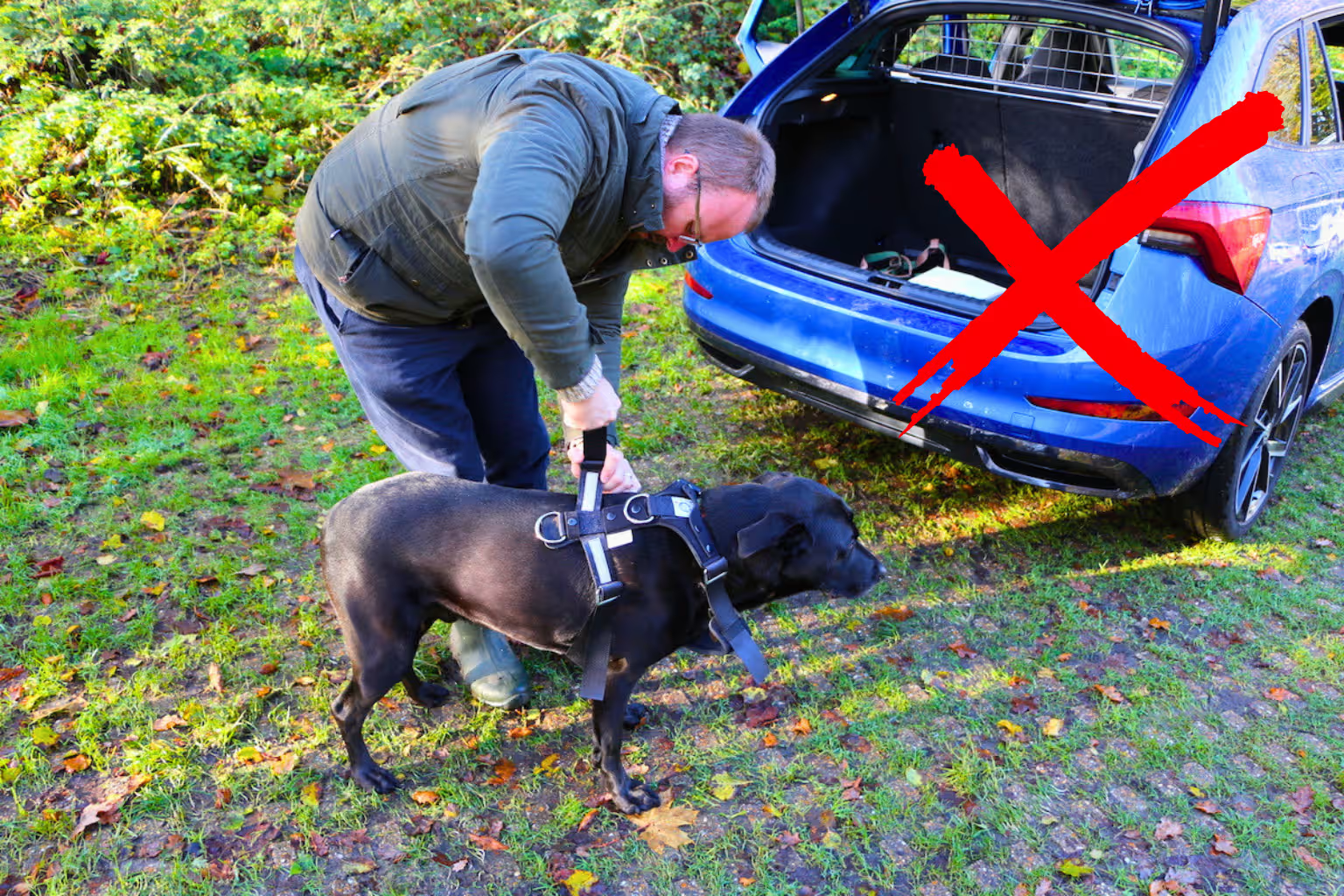
Just a few months ago, your dog jumped into the trunk without a second thought.
Now they stop in front of the car, look at you, and wait.
Many owners assume their dog is simply being stubborn.
Or maybe they’re just getting lazy.
But the real reason may be something entirely different.
Jumping into a car places far more strain on a dog’s body than most people realize. The joints, hips, and spine absorb a significant amount of force during both takeoff and landing. If those movements have become uncomfortable or painful, your dog may simply start avoiding them.
Dogs show discomfort in subtle ways
Most dogs won’t cry out or make it obvious that they’re in pain.
Instead, they quietly change their behavior.
Rather than jumping into the car, they’ll wait for you to lift them.
They may stop jumping onto the couch or bed.
Some dogs even begin avoiding stairs.
These changes usually happen gradually, which is why they’re so easy to miss at first.
Why is jumping one of the first things to change?
Jumping requires a lot of strength in a very short amount of time.
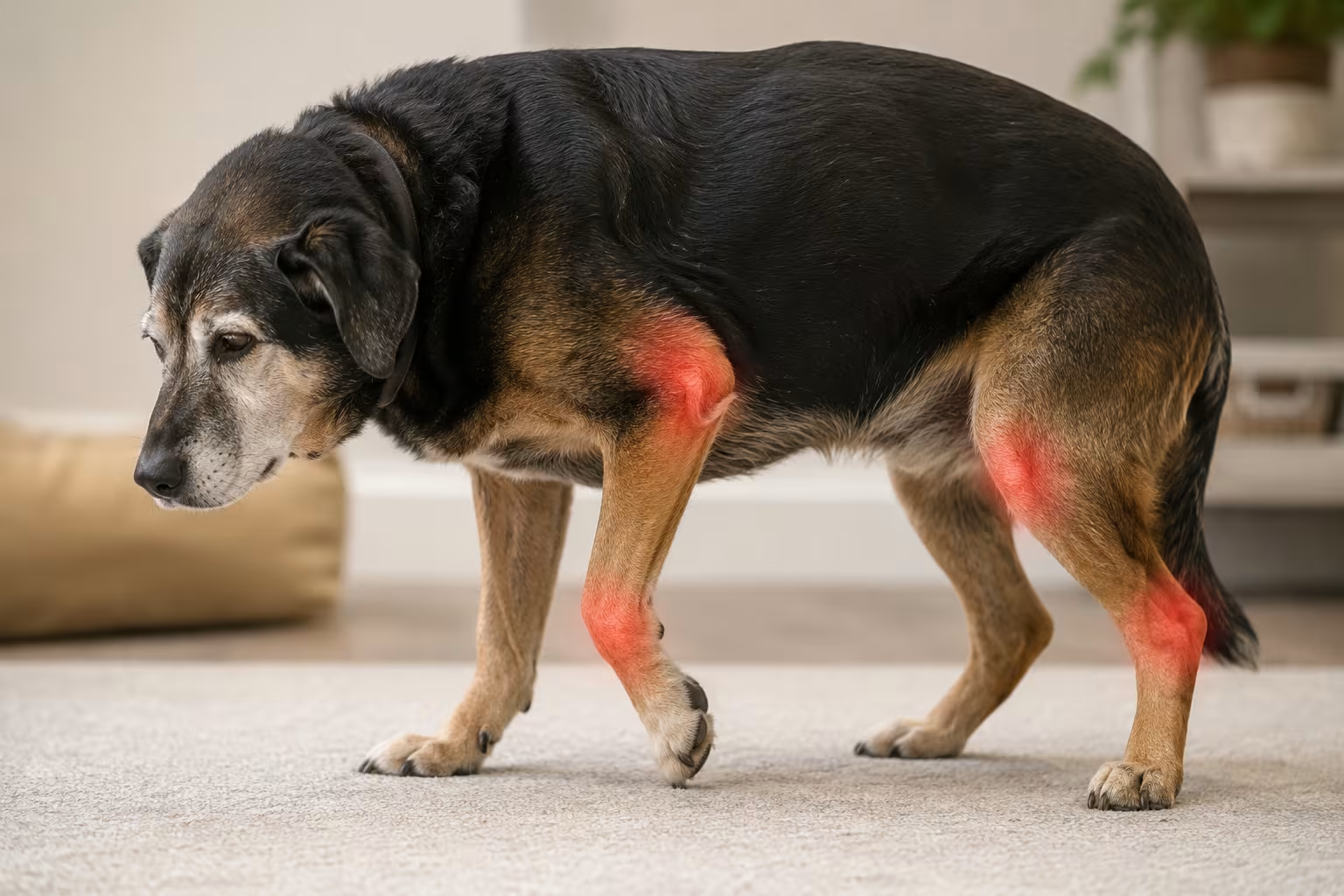
If your dog’s hips, knees, or elbows are sore, it’s often one of the first movements they’ll begin to avoid.
The same is true for dogs with early spinal problems or degenerative joint disease.
That’s why many owners notice changes in jumping ability before they notice anything else.
Is it always a joint problem?
No.
Sometimes the cause is something much simpler.
It could be a muscle strain, a sore paw, or even a loss of confidence after an awkward landing or a bad fall.
However, if you also notice slower standing, less enthusiasm for running, or occasional limping, it’s worth considering whether the joints could be involved.
We cover those early warning signs in more detail in our article “My Dog Has Trouble Getting Up.”
How can you help?
The first rule is simple—don’t force your dog to jump.
If they’re hesitating, help them instead.
For larger dogs, a car ramp is one of the best investments you can make. It dramatically reduces the impact on the joints and makes getting in and out of the car much easier.
It’s also worth paying attention to what happens at home.
Does your dog still jump onto the couch without hesitation?
Are they avoiding stairs?
Do they tire more quickly on walks?
Several small changes together often tell a much bigger story than a single symptom on its own.
When should you see a veterinarian?
If your dog refuses to jump into the car for several days in a row or you notice other changes in the way they move, it’s a good idea to schedule a veterinary examination.
Your veterinarian can assess your dog’s joints and mobility and recommend further tests if needed.
When joint problems are identified early, it’s often possible to slow their progression and help your dog stay comfortable for much longer.
Listen to what your dog is telling you
Dogs rarely tell us they’re in pain.
Instead, they change their habits.
If your dog no longer wants to jump into the car, it doesn’t necessarily mean they’ve become lazy.
It may simply be their way of telling you that certain movements have become uncomfortable.
That’s why changes like these are worth paying attention to.
Sometimes, one missed jump is the very first sign that your dog’s joints need a little extra care.