It’s perfectly normal for dogs to slow down as they get older.
But there’s a difference between a dog who simply needs a little more rest and one who starts avoiding movement because it’s become uncomfortable or painful.
If you’ve noticed your dog ending walks much sooner than they used to or stopping more frequently along the way, it’s worth paying attention.
“My dog still wants to go for a walk… they just can’t keep up.”
Many owners describe the same situation.
“The moment I pick up the leash, they’re excited. But after ten minutes, they’re ready to turn around and go home.”
This is a common pattern in dogs with joint problems.
The desire to walk is still there.
What they’re losing is the ability to move comfortably.
It isn’t always the heart—or simply old age
There are many reasons why a dog may tire more quickly.
Heart disease, respiratory problems, metabolic disorders, and many other health conditions can all reduce your dog’s stamina.
But sometimes the explanation is much simpler.
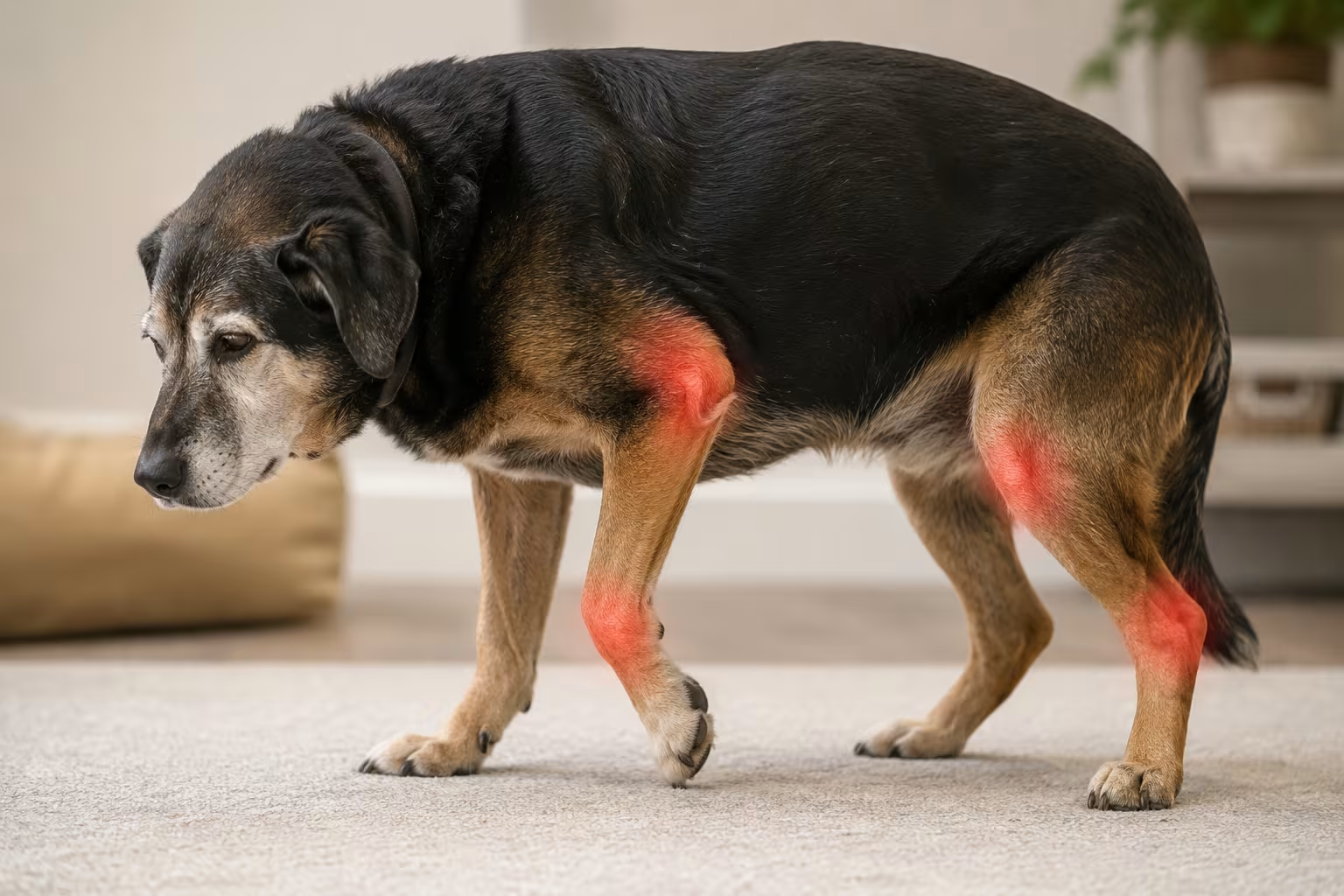
If every step is even slightly painful, walking becomes much more physically demanding. Your dog uses more energy just to move, which means they’ll need to rest sooner—even if they’d love to keep going.
How can you tell the difference?
Think back to how your dog behaved a year ago.
Do they stop more often during walks?
Are they falling behind instead of walking beside you?
Do they spend much longer resting after exercise?
Have they lost interest in playing?
None of these changes automatically means something is wrong.
But if you notice several of them together, it’s worth looking for the underlying cause.
Especially if your dog is also taking longer to stand up or beginning to avoid stairs.
What can you do?
The worst thing you can do is stop exercising your dog altogether.
Healthy joints benefit from regular, moderate movement.
Several shorter walks each day are usually much better than occasional long hikes or bursts of intense activity.
It’s also important to maintain a healthy body weight, as every extra pound places additional stress on the joints with every step.
If your veterinarian determines that joint disease is the cause, they may recommend long-term joint support alongside treatment, including appropriate nutrition and high-quality joint supplements.
Pay attention to changes—not just age
Your dog’s age isn’t the only thing that matters.
What’s more important is how they’re changing.
If they were the first one waiting by the door last year and happily walked for miles, but now become tired after just a few minutes, they’re trying to tell you something.
Sometimes these subtle changes are the earliest signs that their joints are no longer as healthy or comfortable as they once were.
If you’re unsure whether what you’re seeing is simply normal aging or the beginning of joint disease, we recommend reading our article “Arthritis in Dogs: The Early Signs Most Owners Miss,” where we explain the first warning signs in more detail and why early action can make such a big difference.